Signs Your Septic System Is Failing and What to Do Next

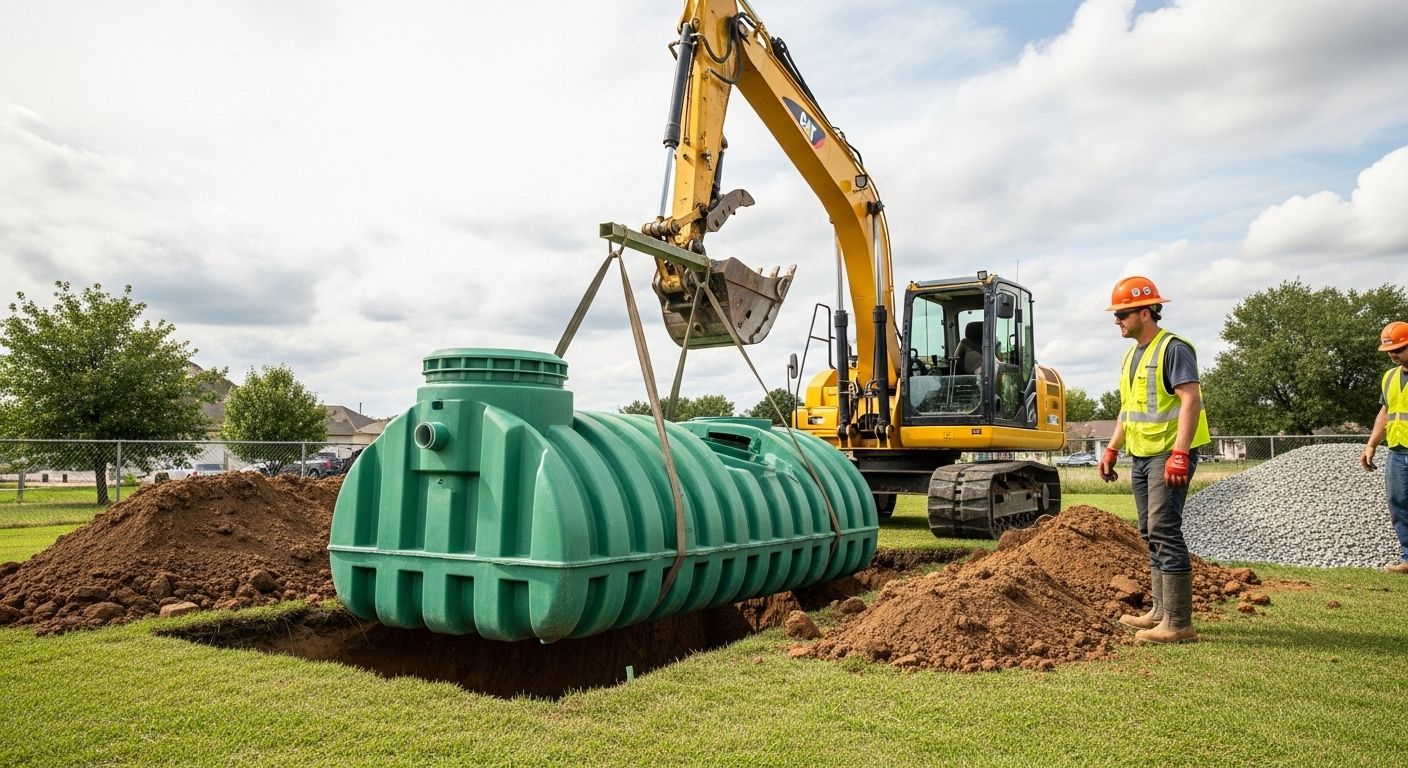
Your septic system is one of those things you never think about until something goes wrong — and by the time most people notice a problem, it's already been brewing for a while. Catching issues early makes a huge difference in cost and hassle, so it's worth knowing the signs a septic system is failing before you're dealing with a full-blown emergency.

Our Services →

How Often Should You Pump Your Septic Tank? Here's What Actually Matters
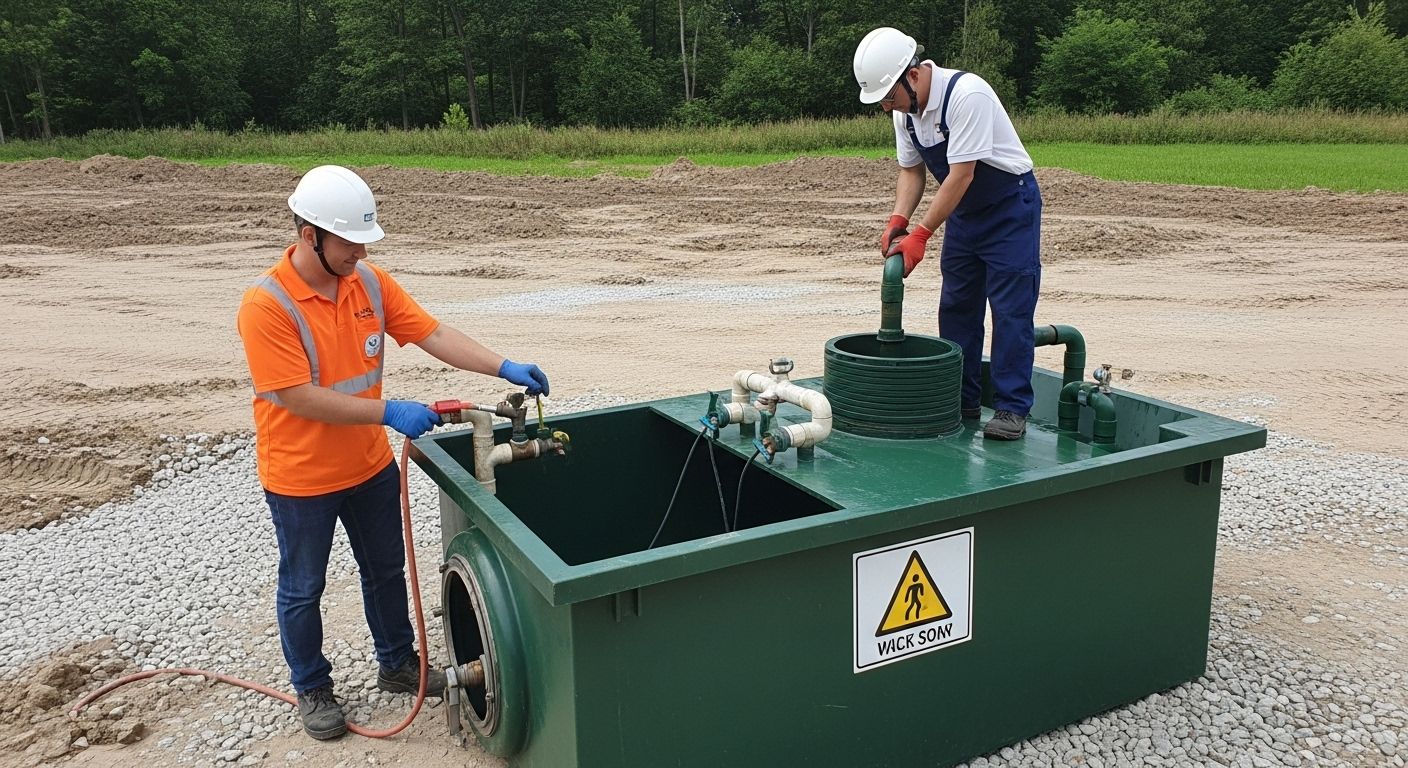
The most obvious sign is smell. If you're catching a strong sewage odor outside near your drain field — that's the area of your yard where treated wastewater disperses into the soil — something isn't right. A healthy septic system is essentially odorless from the outside. That smell means gases are escaping somewhere they shouldn't be, which usually points to a full tank, a clogged outlet pipe, or a drain field that's no longer absorbing properly. Don't ignore it hoping it'll pass on its own. It won't.


estimated_quoteArtboard 3

Get a Free Quote

Contact Us

Septic Tank Repair, System Repair & Drain Field Solutions
Satisfied Clients

quotes2Artboard 2

Inside the house, slow drains are one of the earliest warning signs people dismiss too easily. One slow drain is usually just a clog. But when multiple drains — sinks, showers, toilets — are all sluggish at the same time, that pattern points further down the line toward the tank or the drain field, not the individual fixtures. Gurgling sounds coming from your toilet or drains after water runs elsewhere in the house is another version of the same problem. That gurgling is air being pushed back through the system because something downstream is backed up.


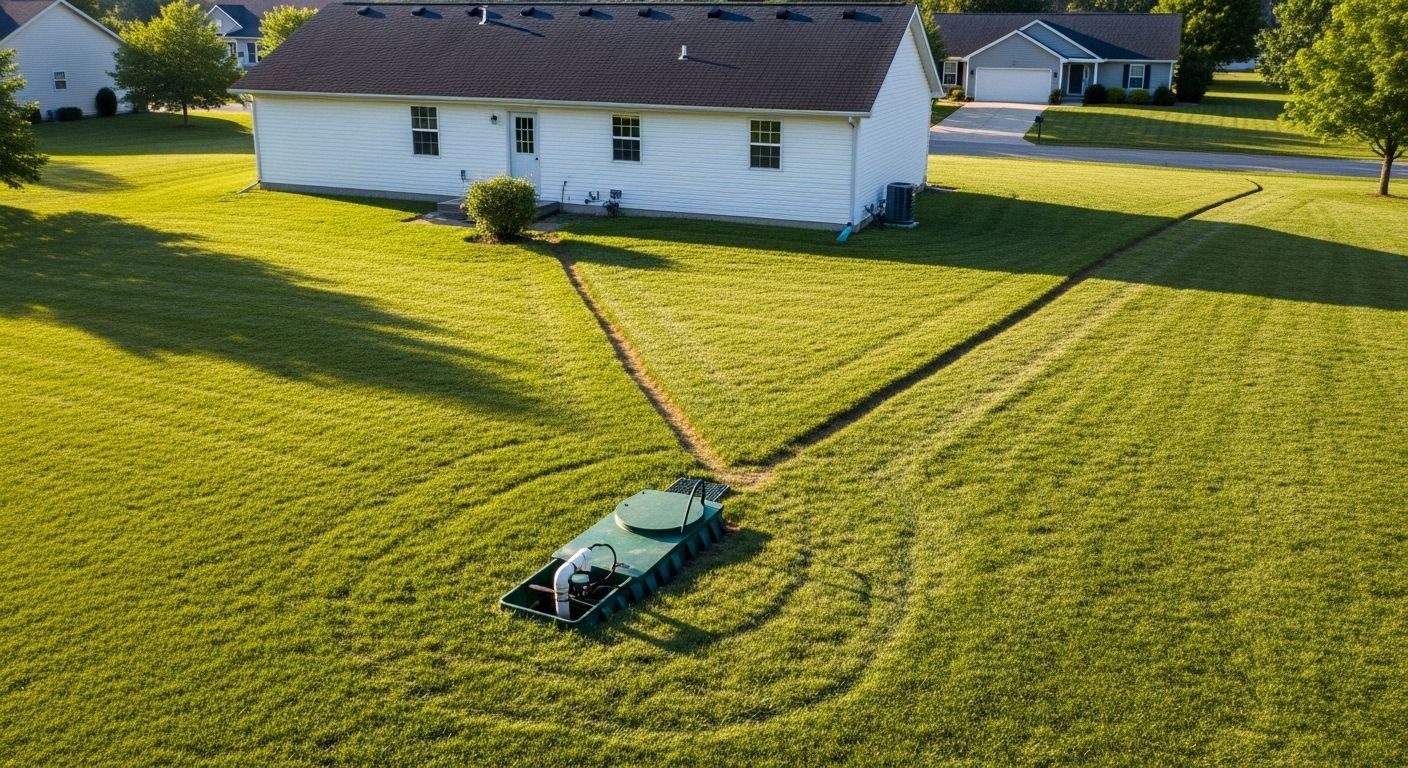
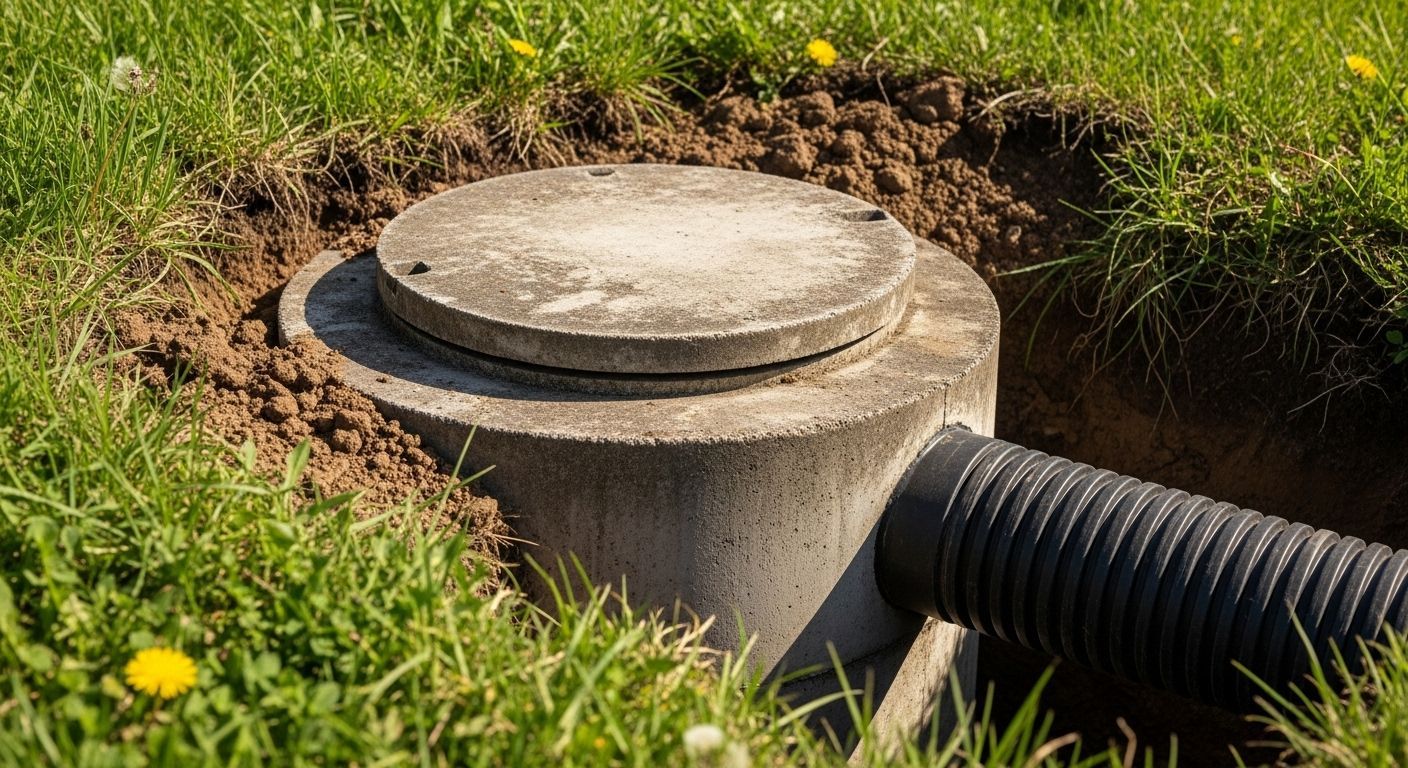
Wet or unusually lush patches of grass over your drain field are a classic red flag. If one section of your yard is bright green and soggy when the rest is dry, your drain field is likely saturated — meaning the soil can't absorb effluent fast enough, and it's pooling near the surface instead. You might also notice standing water or muddy ground in that area even during dry weather. That's not a drainage quirk. That's one of the more visible signs a septic system is failing, and it typically means the drain field needs serious attention.


Inside, keep an eye on your toilets. If flushing one toilet causes another to bubble or back up, or if sewage is coming up into your bathtub or shower drain when you flush, the system is beyond slow — it's actively backing up. At that point you're in emergency territory and need a septic professional out immediately. Raw sewage backing into the house is a health hazard, not just a plumbing inconvenience.


A few other things worth watching: unusually high nitrate levels if you test your well water (septic failure can contaminate groundwater on properties where the well and drain field are close together), and any sudden change in how your toilets flush — if they used to flush strong and now they're weak and sluggish across the board, the tank may be full or the outlet baffle may be damaged.


The honest truth about most of these signs is that people tend to notice them and wait, hoping things improve. They rarely do. Septic systems don't self-correct. A full tank just keeps getting fuller. A saturated drain field keeps getting more saturated. The longer you wait after spotting signs a septic system is failing, the more expensive the fix usually gets. A routine pump-out runs a few hundred dollars. A drain field replacement can run several thousand. The gap between those two outcomes is often just a matter of how quickly you acted.


If you're not sure whether what you're seeing is a real problem or just a quirk, call a septic company for an inspection — most will pump and inspect at the same time, so you're not paying twice. And if you've never had your tank pumped and you've lived in the house for more than three or four years, that's probably overdue regardless of whether you're seeing symptoms. Most tanks need pumping every three to five years depending on household size. Staying on that schedule is the cheapest insurance you have against the kind of problem that ruins your yard, your weekend, and your bank account all at once.

Septic Tank Installation Near Me?

Clarksville, TN

Murfreesboro, TN

Franklin, TN

Gallatin, TN

Hendersonville, TN

Smyrna, TN

Mount Juliet, TN

Columbia, TN

Lebanon, TN

Spring Hill, TN

La Vergne, TN

Brentwood, TN

Springfield, TN

Goodlettsville, TN

White House, TN

Ashland City, TN