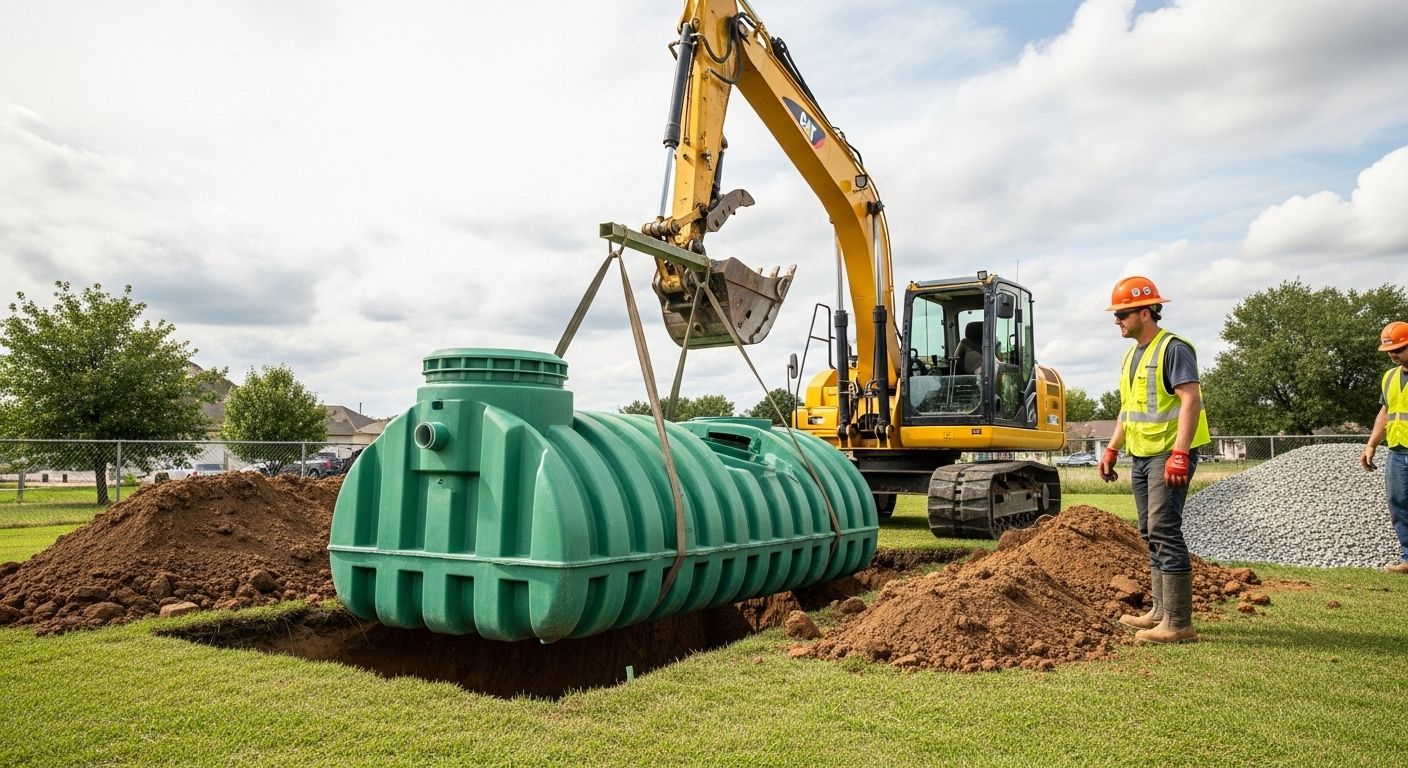
How Often Should a Septic Tank Be Pumped? What Homeowners Get Wrong

The standard answer you'll hear from most septic professionals is every three to five years. That's a reasonable baseline, but it's also a bit like saying adults should sleep seven to nine hours a night — technically correct and almost entirely useless without knowing anything about the specific person. How often you actually need to pump your septic tank depends on factors that vary significantly from household to household, and getting it wrong in either direction has real consequences.

Our Services →

How Often Should You Pump Your Septic Tank? Here's What Actually Matters
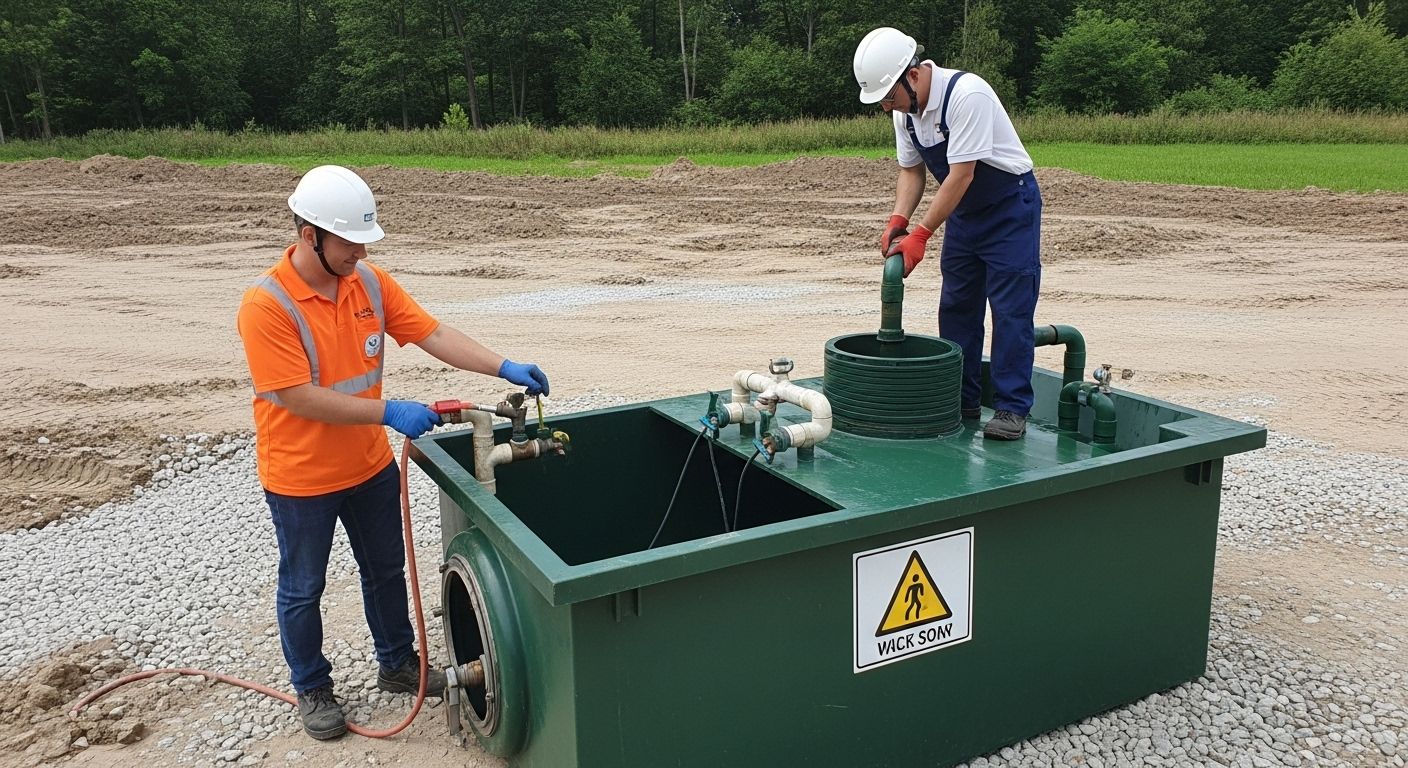
The two variables that matter most are tank size and household size. A 1,000-gallon tank serving a two-person household accumulates solids much more slowly than the same tank serving five or six people. The EPA's general guidance works out roughly like this: a family of four with a 1,000-gallon tank should pump every three to five years. Add two more people and that interval shrinks. Drop to one or two occupants and you might comfortably go six or seven years. A larger 1,500-gallon tank buys you more time across the board. If you don't know your tank size, that information is usually in your home inspection report or available from your county health department, which often keeps records of permitted septic installations.

estimated_quoteArtboard 3

Get a Free Quote

Contact Us

Septic Tank Repair, System Repair & Drain Field Solutions
Satisfied Clients

quotes2Artboard 2

What goes into the tank matters as much as how many people are using it. Garbage disposals are hard on septic systems — they introduce a significant volume of food solids that the system wasn't necessarily designed to handle, and they shorten the interval between needed pumpings noticeably. Households that use a garbage disposal heavily should pump more frequently than the standard guidance suggests. Similarly, anything that isn't human waste or toilet paper slows the biological breakdown process that keeps a septic tank functioning: "flushable" wipes (which aren't really flushable in a septic context), feminine hygiene products, medications, and excessive amounts of harsh cleaning chemicals all affect how the tank performs and how quickly it fills.

Water usage is the other underappreciated factor. A septic system is sized for an estimated daily flow, and consistently exceeding that — through large households, frequent laundry, or a leak you haven't fixed — pushes the system harder and moves solids toward the drain field faster than they should travel. Spreading laundry loads throughout the week rather than running eight loads on Saturday is a small habit that genuinely helps.


Knowing how often to pump a septic tank also means knowing the signs that you're overdue, because intervals are estimates and systems don't always behave predictably. Slow drains throughout the house (not just one fixture), gurgling sounds in the plumbing, sewage odors inside or outside, and wet or unusually green patches of grass over the drain field are all signals that something is wrong. If you're noticing any of those, don't wait for your scheduled pumping — call a septic professional now. Drain field damage from an overloaded system is expensive in a way that routine pumping is not. A pump-out runs $300 to $600 in most markets. Drain field replacement runs $5,000 to $20,000 or more.


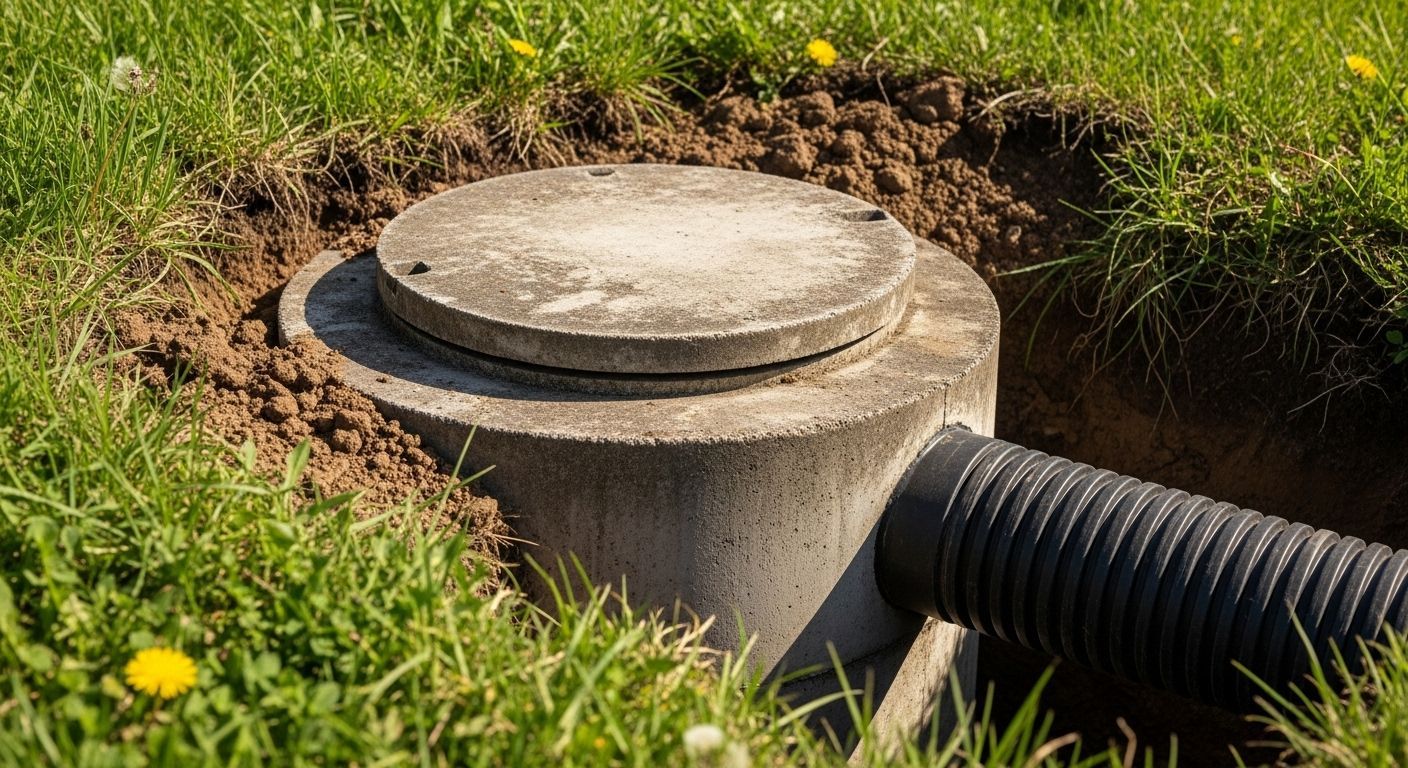
The inspection piece often gets skipped, and it shouldn't. When a professional pumps your tank, they should also be inspecting the baffles, checking the inlet and outlet pipes, and looking at the overall condition of the tank. Those baffles — the components that direct flow and keep solids from leaving the tank prematurely — deteriorate over time, and a failed baffle is a common cause of drain field problems. Catching that during a routine pumping visit costs almost nothing to fix. Catching it after the drain field has been compromised is a much bigger deal.


One thing worth doing if you've recently bought a home with a septic system and don't have clear records: pump it now regardless of when it was last done, and have the system inspected at the same time. You'll get a clean baseline, you'll know the condition of the components, and you won't be guessing about what the previous owners did or didn't do. It's $400 worth of certainty that can save you from a very unpleasant surprise.

Septic Tank Installation Near Me?

Clarksville, TN

Murfreesboro, TN

Franklin, TN

Gallatin, TN

Hendersonville, TN

Smyrna, TN

Mount Juliet, TN

Columbia, TN

Lebanon, TN

Spring Hill, TN

La Vergne, TN

Brentwood, TN

Springfield, TN

Goodlettsville, TN

White House, TN

Ashland City, TN